The Bakersfield Sound: How Two Outsiders Changed Country Music Forever
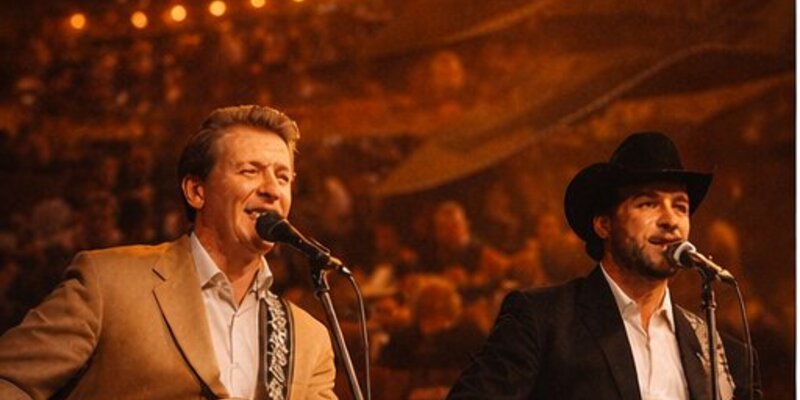
In the late 1950s, Nashville owned country music. The city's producers had developed a smooth, orchestrated sound (the so-called "Nashville Sound") that had crossed over to pop audiences and made the genre commercially dominant. It was polished, professional, and increasingly removed from the rougher traditions that had given birth to country in the first place.
At the southern end of California's Central Valley, in an oil-boom city full of Dust Bowl migrants, two men were quietly building a counterrevolution. Buck Owens and Merle Haggard had nothing in common with Nashville except an instrument and a desire to make music that sounded like where they came from.
Where Nashville reached for violins and background vocals, Bakersfield reached for twangy Telecasters and the sound of hard work.
Owens arrived first, establishing a signature sound built around the bright, aggressive tone of a Fender Telecaster played clean and loud, a deliberate rejection of the smooth production values dominating Nashville's output. His band, the Buckaroos, were precise and tight where Nashville bands were lush and loose. "Act Naturally," recorded in 1963, reached number one. Two years later, the Beatles covered it.
Haggard, raised in neighbouring Oildale, came next, bringing with him the freight of a genuinely rough life (a stint in San Quentin, a childhood poverty that Nashville's suburban dreamers could barely imagine) and poured it into songs of such shattering directness that they occupied a different moral universe. Together, they gave country music its backbone at a moment it was at risk of forgetting it had one.